Platform comparison
| Platform | YES odds | NO odds | Fee | KYC | Settlement | |
|---|---|---|---|---|---|---|
Polymarket (via Is Polymarket Legal in Canada) Pick polygram.ink (preferred broker) |
0% | 100% | 0% (USDC on-chain) | No-KYC up to $1,500 | USDC, auto via UMA oracle | Open the market → |
Polymarket (direct) polymarket.com |
0% | 100% | 0% | Geo-blocked in US/UK/EU | USDC, on-chain | Open the market → |
Kalshi kalshi.com |
— | — | Up to 7% per trade | US-only, KYC required | USD | Open the market → |
Betfair Exchange betfair.com |
— | — | 2-5% commission | Full KYC from first trade | GBP / EUR | Open the market → |
Manifold Markets manifold.markets |
— | — | Play-money (mana) | None — play-money | Mana (no cash-out) | Open the market → |
Outcome probabilities
Current market-implied probability for each outcome, from the live order book.
| Outcome | Probability |
|---|---|
| August 31 | 0% |
| August 15 | 0% |
Market context
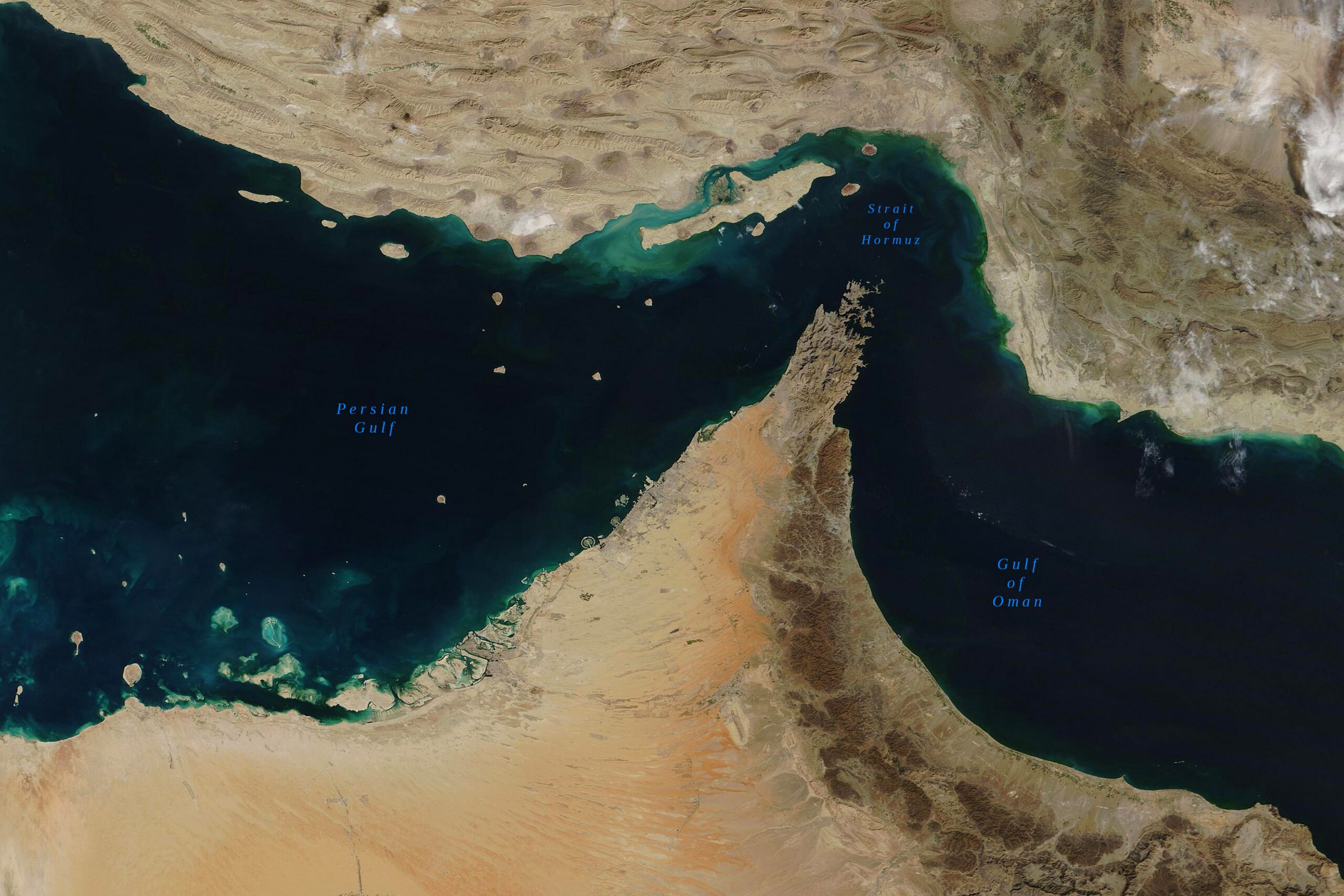
The key question is whether shipping through the Strait of Hormuz gets back to an IMF PortWatch seven-day average of at least 60 arrivals before 31 August 2026. That is a fairly high bar: 60 per day is close to the pre-conflict norm, while recent reporting has described traffic as a trickle or only a partial rebound, with Reuters saying on 17 July that just three commodity vessels crossed in a day and that transits had again largely stopped after renewed escalation.[15][5]
For context, this market has been reading like a reduced-war-risk case rather than a pure logistics recovery trade. Reuters reported in late April that traffic was averaging roughly seven vessels a day versus 125 to 140 before the conflict, and later coverage said traffic had recovered only to around half peacetime levels at best.[5][3] More recent pieces also point the same way: Reuters on 13 July described traffic at a two-month low, while a Wall Street Journal live update in early July said daily crossings had stabilised only in the 30 to 60 range, which leaves little room for a sustained seven-day average above 60 unless conditions improve sharply.[14][11]
For traders, the main catalysts are security and routing announcements, not calendar-driven seasonality. Watch for US-Iran statements, any fresh maritime security notices, and PortWatch’s own published moving averages, because the market resolves on the data release itself rather than on news flow alone.[10][14] Reuters has also noted that access and approval rules have remained unclear, which can suppress traffic even when the strait is technically open.[12][15] On access, the market’s no-KYC up to $1,500 framing means smaller positions are available without full identity verification, but larger exposure may trigger standard checks; for German users, GlüStV issues can affect whether participation is permitted, and US CFTC reach remains relevant where a platform or user falls within US derivatives oversight.
Methodology
This overview of Strait of Hormuz traffic returns to normal by 2026? reviews the four comparable platforms from a regulatory perspective: which is accessible in your jurisdiction, where KYC kicks in, how the platform is classified by your country of residence. Live probability is the Polymarket mid; comparison columns show regulatory status, KYC thresholds and settlement options for each platform.
Resolution & payout
On Polymarket, resolution runs on-chain via UMA Optimistic Oracle. USDC payout is instant and automatic, with no KYC. Tax treatment depends on your jurisdiction — in the US, gains are usually ordinary income; in the UK, often capital gains. Consult a tax professional for your situation.
FAQ
- How are winnings taxed?
- Tax treatment varies by jurisdiction. In most countries, prediction market gains are treated as ordinary income or capital gains. We cannot provide tax advice — consult a tax professional for your specific situation.
- Can I trade anonymously?
- Pseudonymously, yes — up to the KYC threshold. Is Polymarket Legal in Canada stores an email address and wallet addresses rather than a legal name. Over $1,500 lifetime volume triggers KYC, after which identity is no longer anonymous.
- What happens during a tax audit?
- You're responsible for documenting your trades. Is Polymarket Legal in Canada exports a full transaction history (CSV/PDF) for tax reporting. In an audit you'll need to present these documents.
- Is there a withdrawal cap?
- No platform-side cap. You can withdraw any amount provided KYC is complete. SEPA bank withdrawals over €15,000 trigger additional anti-money-laundering checks (statutory obligation for all platforms).
- What if regulation changes?
- If regulation changes in your jurisdiction (e.g. prediction markets are banned), Is Polymarket Legal in Canada would geo-block the affected region and continue processing withdrawals. Your funds remain withdrawable at any time.
%22%2F%3E%3Cpath%20d%3D%22M%206%2066%20A%2026%2026%200%200%201%2058%2066%22%20fill%3D%22%23E6B98D%22%20opacity%3D%220.9%22%2F%3E%3Ccircle%20cx%3D%2232%22%20cy%3D%2226%22%20r%3D%2222%22%20fill%3D%22%23F5CBA7%22%2F%3E%3Crect%20x%3D%2210%22%20y%3D%224%22%20width%3D%2244%22%20height%3D%2214%22%20rx%3D%227%22%20fill%3D%22%237c3aed%22%20opacity%3D%220.9%22%2F%3E%3Crect%20x%3D%228%22%20%20y%3D%2218%22%20width%3D%228%22%20%20height%3D%2218%22%20rx%3D%224%22%20fill%3D%22%237c3aed%22%20opacity%3D%220.7%22%2F%3E%3Crect%20x%3D%2248%22%20y%3D%2218%22%20width%3D%228%22%20%20height%3D%2218%22%20rx%3D%224%22%20fill%3D%22%237c3aed%22%20opacity%3D%220.7%22%2F%3E%3C%2Fsvg%3E) and
and%22%2F%3E%3Cpath%20d%3D%22M%206%2066%20A%2026%2026%200%200%201%2058%2066%22%20fill%3D%22%23E6B98D%22%20opacity%3D%220.9%22%2F%3E%3Ccircle%20cx%3D%2232%22%20cy%3D%2226%22%20r%3D%2222%22%20fill%3D%22%23F5CBA7%22%2F%3E%3Cpath%20d%3D%22M%2010%2018%20Q%2016%204%2026%2010%20Q%2020%202%2032%206%20Q%2044%202%2038%2010%20Q%2048%204%2054%2018%22%20stroke%3D%22%237c3aed%22%20stroke-width%3D%224%22%20fill%3D%22none%22%20stroke-linecap%3D%22round%22%2F%3E%3C%2Fsvg%3E)
Trade Strait of Hormuz traffic returns to normal by 2026? on Is Polymarket Legal in Canada
Live order book, 0% fees, USDC settlement in seconds.
Open live market →