Platform comparison
| Platform | YES odds | NO odds | Fee | KYC | Settlement | |
|---|---|---|---|---|---|---|
Polymarket (via Is Polymarket Legal in Canada) Pick polygram.ink (preferred broker) |
2% | 98% | 0% (USDC on-chain) | No-KYC up to $1,500 | USDC, auto via UMA oracle | Open the market → |
Polymarket (direct) polymarket.com |
2% | 98% | 0% | Geo-blocked in US/UK/EU | USDC, on-chain | Open the market → |
Kalshi kalshi.com |
— | — | Up to 7% per trade | US-only, KYC required | USD | Open the market → |
Betfair Exchange betfair.com |
— | — | 2-5% commission | Full KYC from first trade | GBP / EUR | Open the market → |
Manifold Markets manifold.markets |
— | — | Play-money (mana) | None — play-money | Mana (no cash-out) | Open the market → |
Outcome probabilities
Current market-implied probability for each outcome, from the live order book.
| Outcome | Probability |
|---|---|
| August 15 | 2% |
| June 26 | 0% |
| June 30 | 0% |
| July 31 | 0% |
| July 7 | 0% |
| July 10 | 0% |
| July 17 | 0% |
| July 24 | 0% |
Market context
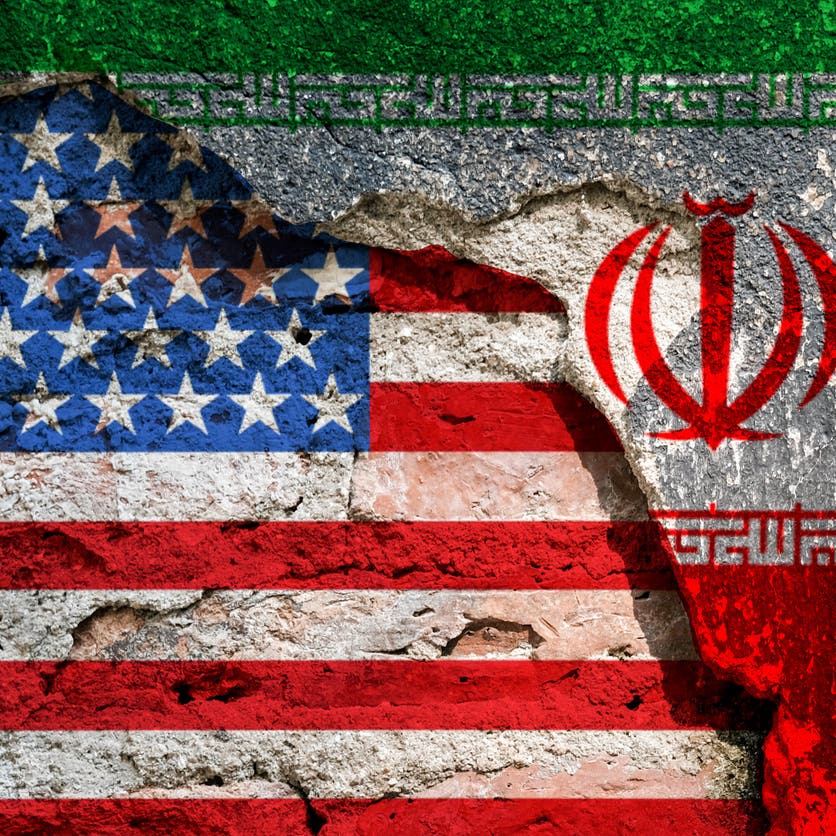
The underlying event is whether Iran formally and publicly says it is leaving the June 14 memorandum’s negotiation track before 31 July 2026. The market only resolves **Yes** on a clear, official termination of participation; a pause, stalled talks, or demands for better terms do not appear to be enough on the stated wording. Reuters reported at the outset that both sides could still walk away and that sequencing was likely to be the key issue, which means the structure of the talks itself left room for an exit from day one.[11]
For context, the current 0% crowd price implies traders are treating an official Iranian withdrawal as highly unlikely, but comparable Middle East negotiation markets can move sharply once one side declares a deal void or blames the other side for breach. That matters because public signalling has already featured competing claims: Iranian officials have said there was “no plan” to return to negotiations while accusing Washington of violating commitments, while other reports described the MoU as “dead” or effectively terminated.[5][6] Under the market definition, however, only a definitive governmental announcement of termination by Iran or an authorised representative should count, so ambiguity in rhetoric is less important than the formal channel and wording.[10]
From a regulatory and access angle, this kind of event sits within the broader prediction-market framework where German **GlüStV** rules can restrict local access, while the US **CFTC** can assert reach over platforms touching US persons or US-facing derivatives activity. “No-KYC up to $1,500” usually means a user can trade without full identity verification until cumulative activity hits that threshold, which improves accessibility but does not remove geoblocking, jurisdictional limits, or platform compliance checks. Traders should watch for official Iranian Foreign Ministry statements, any parliament or Supreme National Security Council messaging, and the cadence of US-Iran implementation talks, because a withdrawal announcement would most likely follow a fresh escalation, a missed deadline, or a declared breach rather than a routine diplomatic update.[1][5][14]
Methodology
This overview of Iran announces withdrawal from MOU negotiations by 2026? reviews the four comparable platforms from a regulatory perspective: which is accessible in your jurisdiction, where KYC kicks in, how the platform is classified by your country of residence. Live probability is the Polymarket mid; comparison columns show regulatory status, KYC thresholds and settlement options for each platform.
Resolution & payout
On Polymarket, resolution runs on-chain via UMA Optimistic Oracle. USDC payout is instant and automatic, with no KYC. Tax treatment depends on your jurisdiction — in the US, gains are usually ordinary income; in the UK, often capital gains. Consult a tax professional for your situation.
FAQ
- Is Polymarket legal in my country?
- Polymarket is geo-blocked in the US/UK/EU. Actual usage via the Polymarket interface is not possible there. The legal status itself varies — many countries treat prediction markets as a gray area. Is Polymarket Legal in Canada has a different geo footprint.
- Do I need to KYC for Is Polymarket Legal in Canada?
- Not for lifetime trading volume under $1,500. Above that threshold, a quick KYC flow kicks in — ID, selfie, approximately 5-10 minutes. The threshold matches FATF travel standards for unregulated crypto platforms.
- Can I trade anonymously?
- Pseudonymously, yes — up to the KYC threshold. Is Polymarket Legal in Canada stores an email address and wallet addresses rather than a legal name. Over $1,500 lifetime volume triggers KYC, after which identity is no longer anonymous.
- What happens during a tax audit?
- You're responsible for documenting your trades. Is Polymarket Legal in Canada exports a full transaction history (CSV/PDF) for tax reporting. In an audit you'll need to present these documents.
- Are prediction markets gambling?
- Legally unclear in most jurisdictions. Some interpretations classify them as wagering (gambling regulation applies), others as derivatives (financial regulation applies). There's no global precedent specifically for on-chain prediction markets.
%22%2F%3E%3Cpath%20d%3D%22M%206%2066%20A%2026%2026%200%200%201%2058%2066%22%20fill%3D%22%23E6B98D%22%20opacity%3D%220.9%22%2F%3E%3Ccircle%20cx%3D%2232%22%20cy%3D%2226%22%20r%3D%2222%22%20fill%3D%22%23F5CBA7%22%2F%3E%3Crect%20x%3D%2210%22%20y%3D%224%22%20width%3D%2244%22%20height%3D%2214%22%20rx%3D%227%22%20fill%3D%22%237c3aed%22%20opacity%3D%220.9%22%2F%3E%3Crect%20x%3D%228%22%20%20y%3D%2218%22%20width%3D%228%22%20%20height%3D%2218%22%20rx%3D%224%22%20fill%3D%22%237c3aed%22%20opacity%3D%220.7%22%2F%3E%3Crect%20x%3D%2248%22%20y%3D%2218%22%20width%3D%228%22%20%20height%3D%2218%22%20rx%3D%224%22%20fill%3D%22%237c3aed%22%20opacity%3D%220.7%22%2F%3E%3C%2Fsvg%3E) and
and%22%2F%3E%3Cpath%20d%3D%22M%206%2066%20A%2026%2026%200%200%201%2058%2066%22%20fill%3D%22%23E6B98D%22%20opacity%3D%220.9%22%2F%3E%3Ccircle%20cx%3D%2232%22%20cy%3D%2226%22%20r%3D%2222%22%20fill%3D%22%23F5CBA7%22%2F%3E%3Cpath%20d%3D%22M%2010%2018%20Q%2016%204%2026%2010%20Q%2020%202%2032%206%20Q%2044%202%2038%2010%20Q%2048%204%2054%2018%22%20stroke%3D%22%237c3aed%22%20stroke-width%3D%224%22%20fill%3D%22none%22%20stroke-linecap%3D%22round%22%2F%3E%3C%2Fsvg%3E)
Trade Iran announces withdrawal from MOU negotiations by 2… on Is Polymarket Legal in Canada
Live order book, 0% fees, USDC settlement in seconds.
Open live market →