Platform comparison
| Platform | YES odds | NO odds | Fee | KYC | Settlement | |
|---|---|---|---|---|---|---|
PolyGram Pick polygram.ink |
0% | 100% | 0% (USDC on-chain) | No-KYC up to $1,500 | USDC, auto via UMA oracle | Open on PolyGram → |
Polymarket polymarket.com |
0% | 100% | 0% | Geo-blocked in US/UK/EU | USDC, on-chain | Open on PolyGram → |
Kalshi kalshi.com |
— | — | Up to 7% per trade | US-only, KYC required | USD | Open on PolyGram → |
Betfair Exchange betfair.com |
— | — | 2-5% commission | Full KYC from first trade | GBP / EUR | Open on PolyGram → |
Manifold Markets manifold.markets |
— | — | Play-money (mana) | None — play-money | Mana (no cash-out) | Open on PolyGram → |
Live odds for Polymarket-based markets come from the Polygon order book. Non-Polymarket venues show attributes only; clicking any row opens the market on PolyGram.
Active sub-markets
| Tarcisio de Freitas | 0% YES | 100% NO |
| Luiz Inácio Lula da Silva | 56% YES | 44% NO |
| Jair Bolsonaro | 0% YES | 100% NO |
| Fernando Haddad | 1% YES | 99% NO |
| Michelle Bolsonaro | 3% YES | 97% NO |
| Eduardo Bolsonaro | 0% YES | 100% NO |
Market context
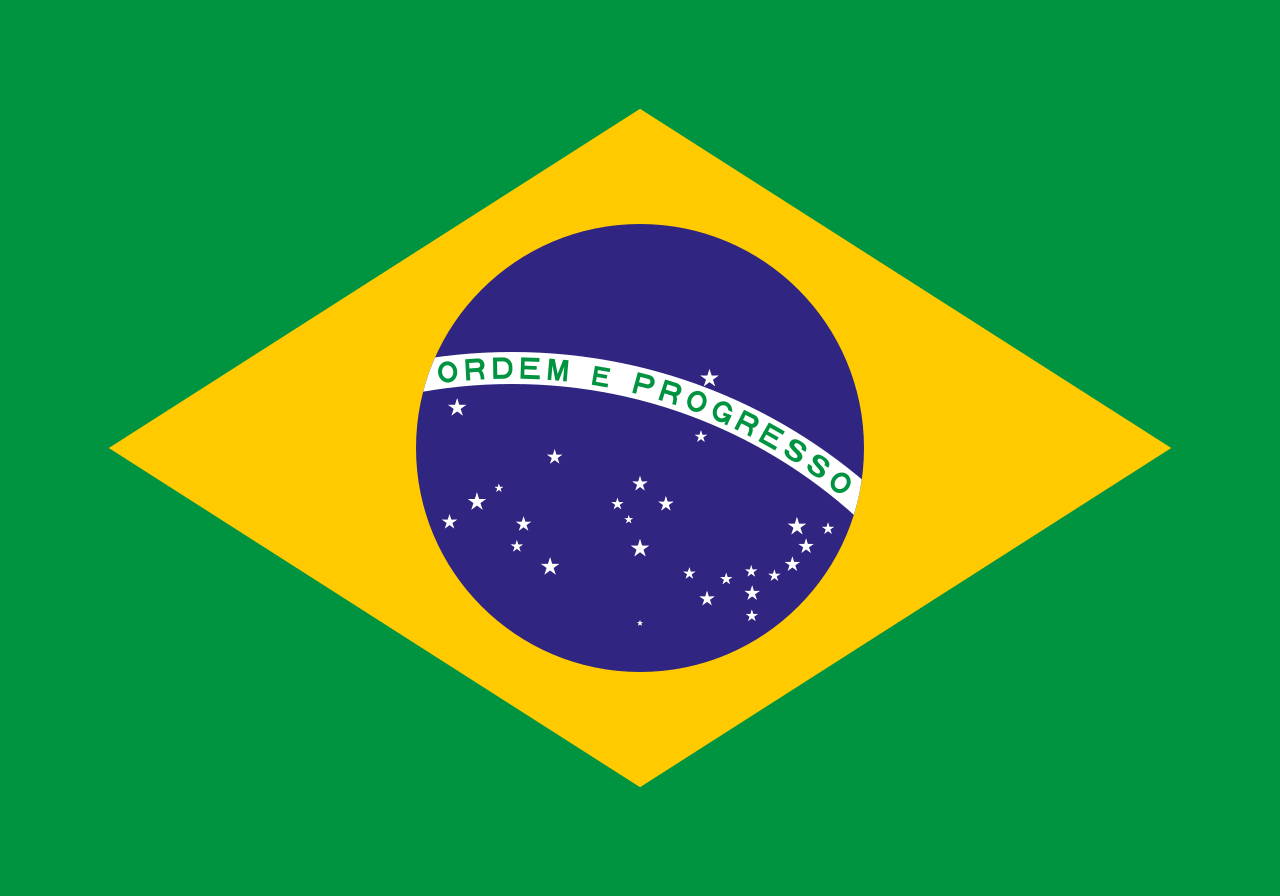
Brazilians will vote on 4 October 2026 to elect a new president, with incumbent Luiz Inácio Lula da Silva seeking a fourth term against Senator Flávio Bolsonaro, while his father Jair Bolsonaro is barred from office[1][2]. The contest follows Brazil’s two-round system: if no candidate secures over 50% of valid votes in the first round, a runoff occurs on 25 October 2026[1][2]. Current polling suggests a near-certain runoff, with Flávio Bolsonaro leading Lula by a narrow margin[1].
Historically, Brazilian presidential elections since 1994 have required runoffs in most cases, including the 2022 election where Lula defeated Bolsonaro only in the second round[1]. This pattern frames the current 0% crowd-implied probability for an immediate first-round winner as realistic rather than anomalous, given the fragmented party landscape and polarised electorate[1][4]. Traders should watch party conventions (20 July–5 August), the official campaign start (16 August), and early polling shifts as key catalysts[1]. Recent analysis from AS/COA notes Flávio’s strategy to capitalise on his father’s legacy while distancing from controversial policies[4].
Regulatory accessibility hinges on jurisdiction-specific rules: German GlüStV may restrict unlicensed platforms, while US CFTC reach applies to markets deemed securities[1]. For this market, “no-KYC up to $1,500” means traders in compliant jurisdictions can access without identity verification, provided they meet local thresholds[1]. However, ambiguity in resolution—such as delayed official results beyond 30 June 2027—could trigger an “Other” outcome, underscoring the need for verified reporting consensus[1].
Methodology
This page is a comparison snapshot: one live quote (Polymarket), four reference venues with their key attributes, and a single execution path — every trade button routes to PolyGram, which mirrors the Polymarket order book directly.
Resolution & payout
Polymarket-based markets settle through the UMA Optimistic Oracle on Polygon. A proposer submits the outcome, a two-hour challenge window opens, and unchallenged proposals finalise the resolution. Payouts settle automatically in USDC the moment the result is final — no bookmaker, no delay.
Kalshi-based markets settle in USD via the CFTC-regulated clearinghouse. Betfair Exchange settles in GBP/EUR net of commission. Manifold is play-money and does not pay out real funds.
FAQ
- Is this market available outside the US?
- PolyGram is available in most jurisdictions where Polymarket isn't directly accessible. Polymarket itself is geo-blocked in the US/UK/EU. Always check local regulations.
- How does resolution work?
- Through the UMA Optimistic Oracle on Polygon: a proposer submits the outcome, a two-hour challenge window opens, and USDC payouts settle automatically once the result is final.
- What's the difference between YES and NO shares?
- A YES share pays $1.00 if the event happens, $0 otherwise. A NO share pays $1.00 if the event doesn't happen. The market price between 0¢ and 100¢ is the implied probability.
- What does it cost to trade on PolyGram?
- Zero. PolyGram routes every order to the live Polymarket order book; the only cost is the Polygon network fee, typically under $0.01 per transaction.
- How reliable are the quoted odds?
- The YES/NO percentages are the live mid-prices of the Polymarket order book. On deep markets they move every few seconds; on thinner ones you'll see short plateaus.
%22%2F%3E%3Cpath%20d%3D%22M%206%2066%20A%2026%2026%200%200%201%2058%2066%22%20fill%3D%22%23E6B98D%22%20opacity%3D%220.9%22%2F%3E%3Ccircle%20cx%3D%2232%22%20cy%3D%2226%22%20r%3D%2222%22%20fill%3D%22%23F5CBA7%22%2F%3E%3Crect%20x%3D%2210%22%20y%3D%224%22%20width%3D%2244%22%20height%3D%2214%22%20rx%3D%227%22%20fill%3D%22%237c3aed%22%20opacity%3D%220.9%22%2F%3E%3Crect%20x%3D%228%22%20%20y%3D%2218%22%20width%3D%228%22%20%20height%3D%2218%22%20rx%3D%224%22%20fill%3D%22%237c3aed%22%20opacity%3D%220.7%22%2F%3E%3Crect%20x%3D%2248%22%20y%3D%2218%22%20width%3D%228%22%20%20height%3D%2218%22%20rx%3D%224%22%20fill%3D%22%237c3aed%22%20opacity%3D%220.7%22%2F%3E%3C%2Fsvg%3E) and
and%22%2F%3E%3Cpath%20d%3D%22M%206%2066%20A%2026%2026%200%200%201%2058%2066%22%20fill%3D%22%23E6B98D%22%20opacity%3D%220.9%22%2F%3E%3Ccircle%20cx%3D%2232%22%20cy%3D%2226%22%20r%3D%2222%22%20fill%3D%22%23F5CBA7%22%2F%3E%3Cpath%20d%3D%22M%2010%2018%20Q%2016%204%2026%2010%20Q%2020%202%2032%206%20Q%2044%202%2038%2010%20Q%2048%204%2054%2018%22%20stroke%3D%22%237c3aed%22%20stroke-width%3D%224%22%20fill%3D%22none%22%20stroke-linecap%3D%22round%22%2F%3E%3C%2Fsvg%3E)
Trade Brazil Presidential Election on PolyGram
Live order book, 0% fees, USDC settlement in seconds.
Trade on PolyGram →